
Wiki · Community post
How to Plan a Self-Drive Road Trip in China
 David MitchellShared Aug 19, 2026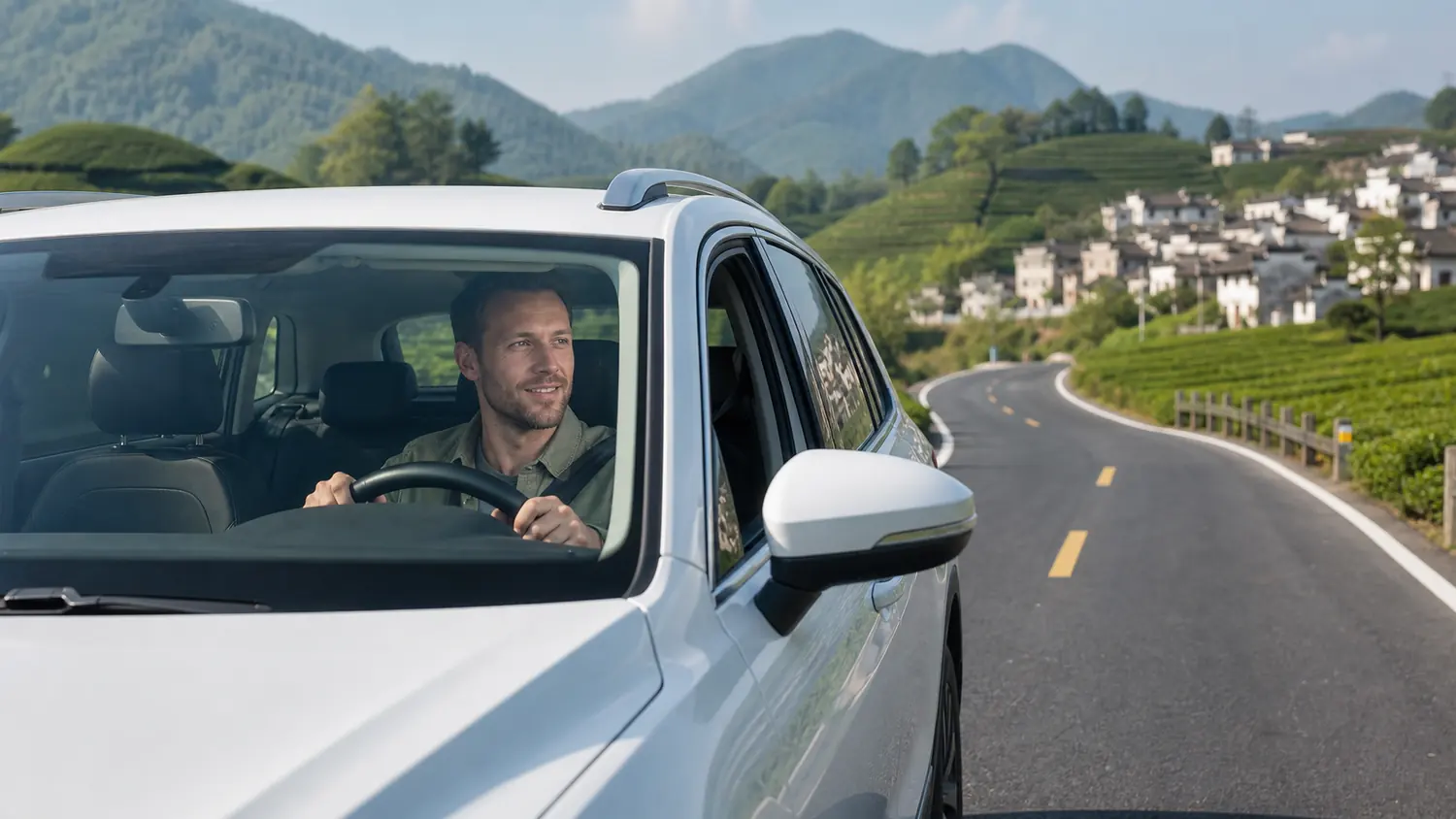
Many overseas travellers dream of hitting the open road across China. Wide-ranging landscapes, ancient villages and modern highway networks can make a road trip deeply rewarding. The rules for foreign drivers are different from those in most countries, though. This guide covers temporary driving paperwork, rental-car basics, on-the-road practicalities, and regions that work especially well for an independent drive.
1. Get the official temporary driving permit first
This is the point many first-time visitors get wrong: an International Driving Permit is not, by itself, legal authority to drive a rental car in mainland China. Before driving, foreign visitors need the official temporary driving permit issued through the local vehicle-management authority, together with their home-country licence.
Tourist permits are generally for small passenger vehicles such as C1/C2 rental cars. Do not assume they cover motorcycles, large vans or trucks.
Prepare these before visiting the vehicle-management office:
- Your original passport and valid entry documents
- Your original, unexpired physical driving licence from home
- A Chinese translation of that licence, in the format the local office accepts
- Recent ID photos if the office asks for them
Apply in the place connected to your rental collection. Some offices require traffic-law education as part of the process, and operating hours or language support vary. Give yourself a buffer rather than arranging car pickup immediately after landing. Keep the temporary permit, passport and rental agreement in the car whenever you drive.

2. Rent a car as a foreign visitor
Car-rental choices for overseas visitors can be narrower than for local residents. Use a recognised national chain or a platform that confirms, in writing, that it will serve a foreign visitor who brings the completed temporary permit. Smaller local shops may not have a process for foreign licences or passport deposits.
Book ahead, ideally before arriving. Ask the collection branch about accepted payment cards, deposits, insurance, the required translation, and one-way return options. SUVs are often more comfortable for luggage and mountain roads; electric cars are excellent in developed eastern provinces, but only if you plan charging stops.
At collection, photograph the exterior, wheels and interior before leaving. Check the fuel or battery level against the contract, understand the insurance excess, and make sure the car holds copies of the registration papers, rental agreement and your permit.
3. Road-travel basics that make the trip easier
China's expressway network is extensive and generally well maintained. Traffic drives on the right. Speed limits are actively enforced by cameras, and dense city traffic can include scooters, bicycles and sudden lane changes. Treat posted limits as firm limits and leave more space than you might at home.
Amap (Gaode Maps) is usually the most useful navigation app for driving in China. It is especially useful for motorway services, charging stations, parking and small roads where Google Maps may be less current. Set it up before a long drive and test your addresses in Chinese characters; English features and search results can vary by device and location.
For fuel, parking, tolls and charging, mobile payment is often the smoothest option. Set up Alipay with an eligible international card before the trip, and keep a backup card or payment method. At petrol stations and smaller stops, a translation app and a charged phone are genuinely useful. Plan EV charging in advance when you leave major cities or enter mountain areas.
Highway rest areas usually have toilets, food and basic supplies. Toll roads are common. Keep your phone charged, download offline translation support where possible, and allow extra time for holiday traffic.
4. Good regions for a first self-drive trip
Zhejiang
Zhejiang is a friendly starting point: road quality is strong, services are plentiful, and the scenery changes quickly from lakes and tea hills to water towns. A loop from Hangzhou can include West Lake, Qiandao Lake, Wuzhen or Nanxun without committing to extremely remote roads. Western Zhejiang has scenic bends rather than true off-road terrain, so an ordinary rental sedan or SUV is enough.
Anhui
Next door, Anhui offers Huizhou villages, mountain landscapes and routes through white-walled, dark-tiled settlements. Southern Anhui is rewarding but more winding. Slow down on tight corners, avoid trying to cover too much in one day, and use weekdays when you can because holiday traffic on narrow scenic sections can build up quickly.
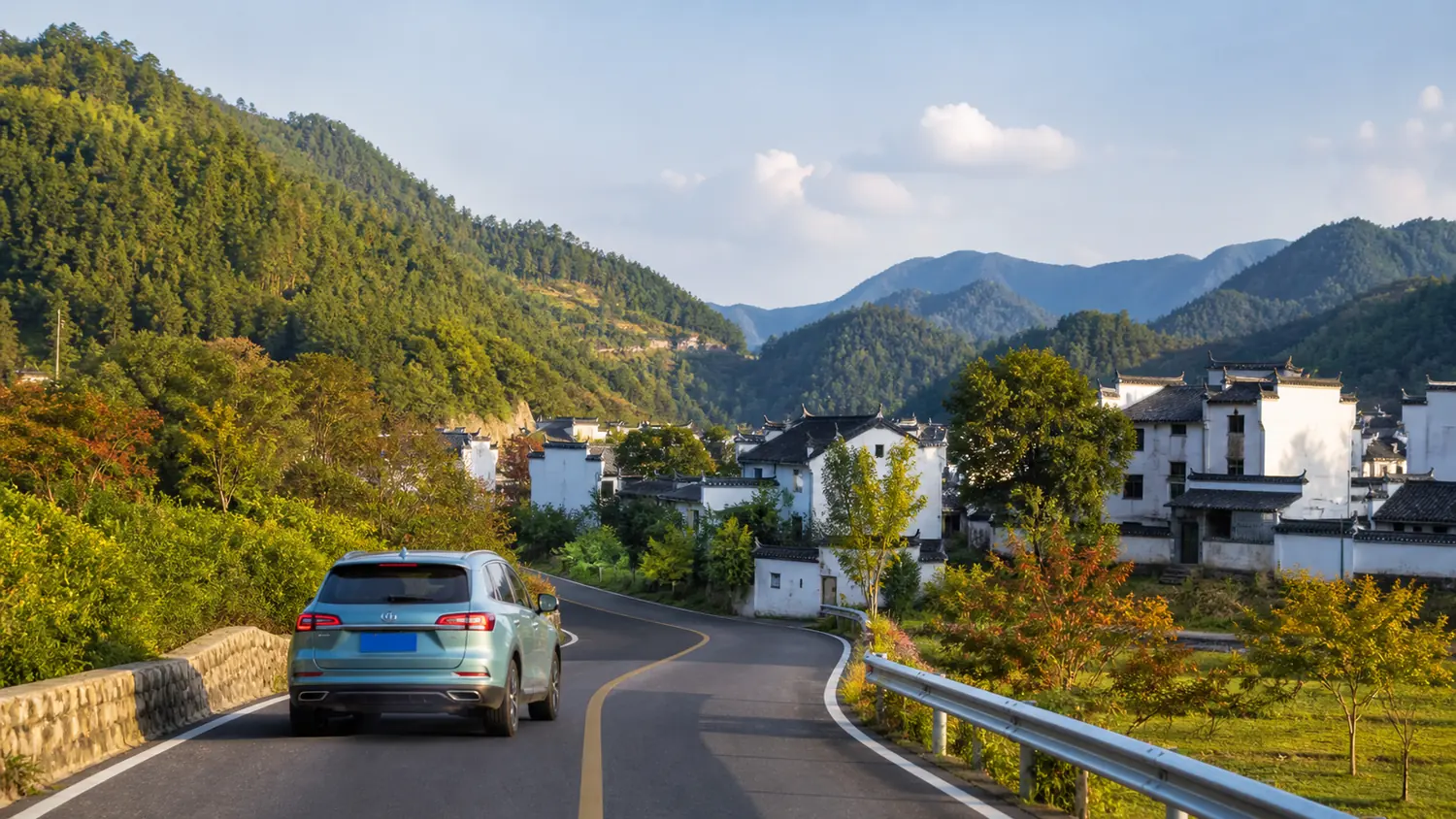
Jiangsu is another easy option for low-stress lakeside and river-city drives around Suzhou, Nanjing and Yangzhou. Yunnan is spectacular for a longer adventure, but remote stretches demand more attention to charging, accommodation and weather.
Final thoughts
Self-driving opens up parts of China that trains and group tours do not easily reach. Do the permit step properly, use a rental company that has confirmed the foreign-visitor process, prepare navigation and payments before departure, and build spare time into every driving day. Zhejiang and Anhui are an excellent first combination for travellers who want both polished roads and quieter village scenery.
Disclaimer: This article reflects common visitor experience and publicly available local guidance as of 2026. Rules and office procedures can change between cities. Always confirm the current requirements with the relevant vehicle-management authority and your rental branch before you sign a rental agreement.