Wiki · Community post
Survival Guide to Public Restrooms in China: Squat Toilets and Toilet Paper Hacks
A practical guide to using public restrooms in China: when to expect squat toilets, why tissues are worth carrying, and simple etiquette for a stress-free stop.
 紧风Shared Aug 29, 2026
Last Updated: August 2026
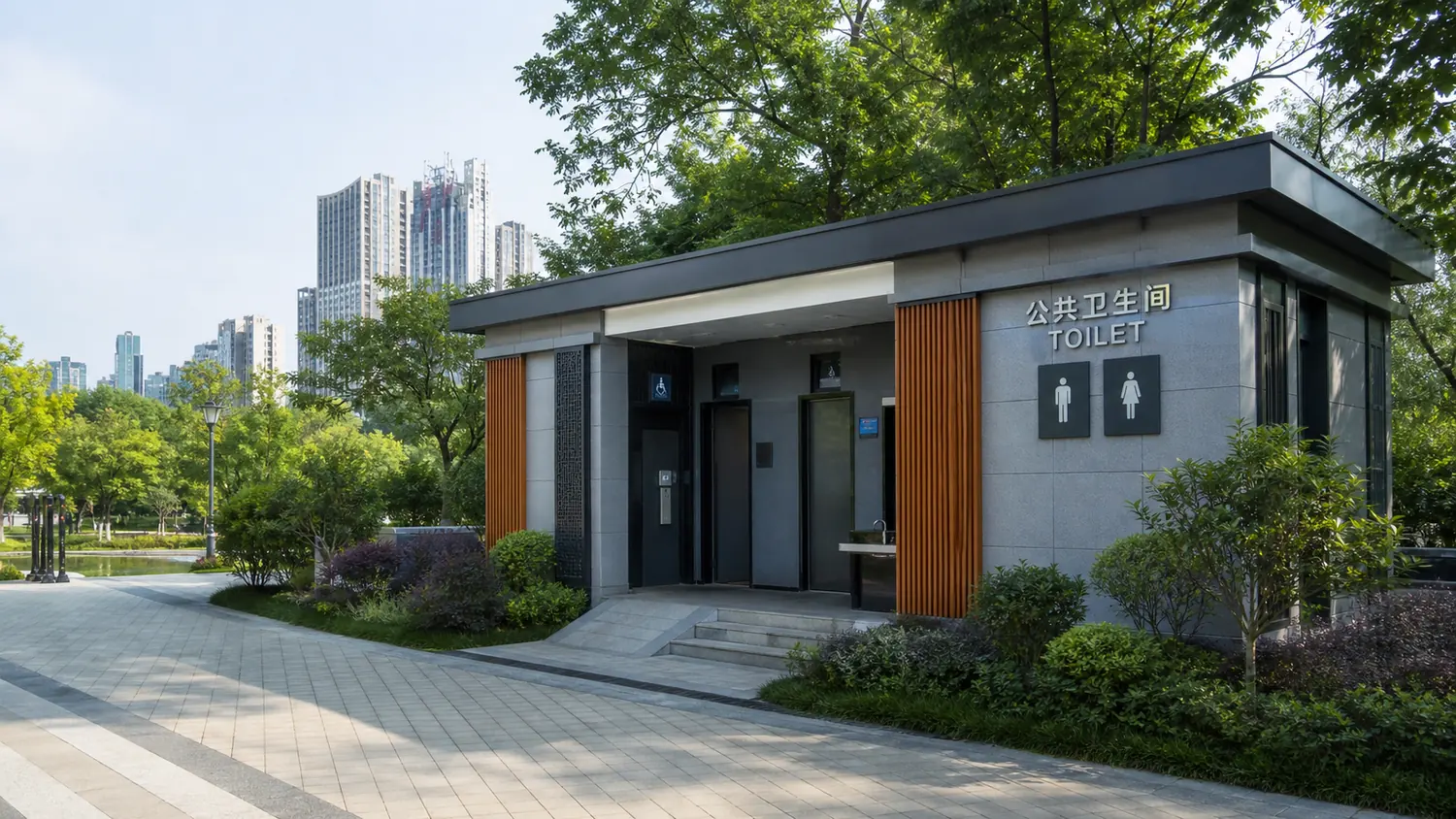
Short answer: Expect a mix of squat and sitting toilets in China, with squat pans especially common in older or high-traffic public facilities. Carry a small packet of tissues, check the supplies before you commit to a cubicle, and do not assume every restroom has the same flushing or paper-disposal setup.
Public restrooms are part of every real trip—between sightseeing stops, on long train journeys and in city parks. The practical difference for many first-time visitors is not cleanliness or “modernity”; it is simply that local layouts, fixtures and supplies can vary much more than they do in a hotel room.
Why squat toilets are common
Squat toilets are a familiar and widely used design in China. Many people prefer them because users do not sit on a shared surface, and the fixture is simple to clean in a busy public setting. They are particularly common in older buildings, public parks, transport hubs and roadside facilities. Newer airports, malls, hotel lobbies and upgraded stations often offer a mixture of squat and sitting cubicles, including accessible or family toilets.
The important travel point is to stay flexible: a modern-looking building can still have squat-only cubicles, while an older facility may have one seated option. Look for accessibility symbols or ask an attendant if you need a sitting toilet for mobility, injury or medical reasons.
Toilet paper: bring your own anyway
Paper provision is inconsistent. Major airports, high-speed railway stations, shopping centres and tourist attractions often supply it, but dispensers can be empty at busy times and small neighbourhood or rural facilities may not provide it at all. Keeping pocket tissues and hand sanitiser in your day bag is the simplest solution.
Before using the toilet, check whether there is a dispenser outside the cubicle; some facilities place paper near the entrance rather than beside each pan. If there is a waste bin and a sign asking users not to flush paper, follow the local instruction—plumbing capacity differs by building.
How to use a squat toilet comfortably
- Use the footrests: Place both feet securely on the textured platforms on either side of the pan. Do not stand on the rim or on a seated toilet.
- Face the correct direction: The raised hood or flushing end is normally in front of you. Squat with your weight balanced and lean slightly forward if that feels stable.
- Keep belongings clear: Hang a bag on the hook if one is provided, or keep it safely in front of you rather than on the floor.
- Check the flush: It may be a button, sensor, lever or foot pedal. In a few basic facilities, a bucket or hose may be provided instead.
- Stand up slowly: Take a moment before standing if you have been walking all day, feel dehydrated or are not used to the position.
Simple etiquette that helps everyone
- Use the cubicle rather than the floor; wet floors are a slip risk.
- Flush when the facility allows it, and leave the space ready for the next person.
- Dispose of tissues as the posted sign requests.
- Do not block an accessible or family restroom unless you need it.
- Wash or sanitise your hands before returning to food, transport or sightseeing.
Where facilities are easiest to find
In large cities, maps and mall directories often show public restrooms, and attendants at metro stations, museums and restaurants can usually point you in the right direction. Search for 公共厕所 (gōnggòng cèsuǒ, “public toilet”) in a local map app if you need one nearby. For long journeys, use the restroom before boarding a train or departing a scenic area rather than waiting for the next stop.
Quick day-bag checklist
- Packet tissues or a small roll of toilet paper.
- Hand sanitiser.
- A small sealable bag for waste if there is no bin.
- Comfortable shoes with grip for wet floors.
A little preparation turns an unfamiliar restroom into a routine travel stop. Carry tissues, follow the signs in front of you, and choose the accessible or seated option when you need it—there is no need to make a simple part of travel more stressful than it has to be.